
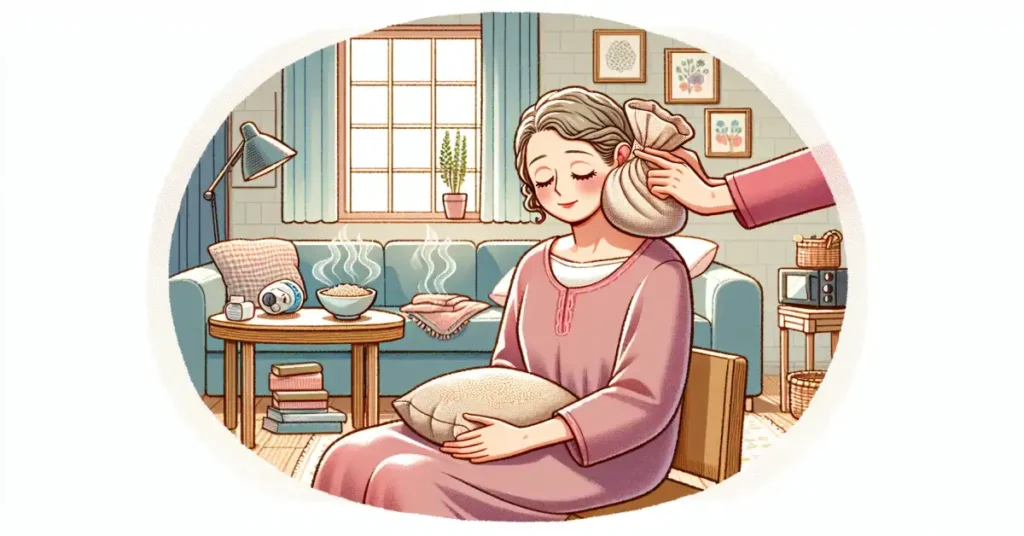
Natural, Calm Relief: Home Remedies for Ear Infection in Adults
If ear pain in adults is making you miserable, you want safe, natural relief you can trust – and quickly. Whether your discomfort feels like burning, pressure, or dull aching, it’s hard to think about anything else.
This guide focuses on gentle home remedies for ear infection in adults that you can try right now. It covers easy home fixes, habits to prevent future symptoms, triggers to avoid, and clear guidance on when to see a doctor.
Ready for fast comfort? Let’s get you relief and peace of mind – with UK-friendly advice tailored to you.
Fast Relief Options (Immediate Fixes)

Chewing Sugar-Free Gum
Chewing sugar-free gum helps “pop” your ears and may ease pressure. It works by encouraging frequent swallowing, which opens the eustachian tubes. This can help balance ear pressure and reduce pain, especially while flying or after a cold.
Choose a gum with xylitol for best results. Avoid if you have jaw pain or dental work. According to medical experts, chewing gum is safe for most adults unless you have jaw problems.
Small Glass of Skimmed Milk
Some people find a small glass of cold, skimmed milk can soothe burning discomfort from acid reflux linked to ear pain. The milk temporarily buffers stomach acid, which may help people who experience ear pain connected with GERD or heartburn flare-ups.
Stick to small amounts (100-150ml). Avoid full-fat milk as high-fat content may trigger more symptoms later, according to recent advice. This is not a cure, but can help with occasional symptoms.
Ginger Tea
Fresh ginger has natural anti-inflammatory properties. Sipping warm ginger tea may help reduce swelling and discomfort in the throat, easing secondary pressure on your ears.
Slice a small piece of fresh ginger and steep it in boiling water for five minutes. Add a touch of honey for extra soothing. Studies suggest ginger can calm irritated tissues, though it’s not a replacement for medical treatment with an active infection.
Loosen Tight Clothing
Tight collars, scarves, or tops can put extra pressure on the neck and jaw, aggravating ear pain or burning. :
Unbutton your shirt collar, remove ties, and choose looser clothing. This simple shift may offer immediate comfort, especially if you notice symptoms after wearing restrictive clothes. Medical experts recommend reducing external pressure for quicker relief.
Stand Up or Elevate Your Upper Body
Lying flat can cause fluid build-up and raise pressure in your ears, making discomfort worse. Stand up or sit upright to help drainage and relieve burning.
If you’re resting, try propping yourself up with extra pillows. NHS guidance suggests avoiding lying down during flare-ups. Sleeping with your head elevated can keep fluid moving and reduce pain overnight.
Long-Term Natural Remedies (Lifestyle Fixes)

Smaller, More Frequent Meals
Large meals can increase pressure in your stomach, raising acid reflux and worsening ear pain for some people. Eating smaller portions 4-5 times a day helps support smoother digestion and less strain on your system.
This habit fits well with the typical UK eating style – try a lighter lunch with a sandwich, then fruit or a yoghurt as a snack later. Research shows smaller meals help manage GERD and related symptoms long-term.
Stop Eating 2–3 Hours Before Bed
Eating too close to bedtime increases reflux risk, which may link to ear infections in adults. Give your body enough time to digest. This prevents food and acid from moving upwards as you lie down, reducing the risk of burning and discomfort.
According to NHS advice, stopping food earlier in the evening can make a real difference for persistent symptoms.
Increase Dietary Fibre
A fibre-rich diet supports regular bowel movements and better overall digestive health. Constipation and poor digestion may boost abdominal pressure and worsen heartburn-related ear pain.
Add whole grains, fruits, and vegetables (like oats, apples, and broccoli). Sainsbury’s “high-fibre” ready meals can make this easier. Evidence suggests dietary fibre is linked to lower rates of acid reflux symptoms.
Chamomile / Ginger as Daily Habits
Chamomile and ginger teas support calm digestion and reduce inflammation. These gentle herbal drinks fit British habits and may help soothe discomfort.
Swap a morning coffee for chamomile tea, or have ginger tea before bed. According to medical sources, these teas may help manage the triggers that lead to frequent infections.
Weight Loss
Extra weight adds pressure to your stomach, making acid reflux and heartburn more likely. This, in turn, can trigger or worsen ear pain for some adults.
Losing even a small amount—just half a stone (3–4kg)—can help. Try NHS resources or the Slimming World plan. Medical experts agree weight loss is a proven, natural heartburn remedy for adults.
Quit Smoking
Smoking irritates the lining of your nose, sinuses, and throat. This can block the eustachian tubes and increase ear infections. It also weakens the valve between your stomach and oesophagus, making reflux more likely.
Getting support from your GP or NHS “stop smoking” services increases your odds of success. Products from Boots, like patches or lozenges, may help. Research from major clinics shows quitting brings relief for many chronic ear symptoms.
What to Avoid (Trigger List)
Spotting and avoiding your personal triggers is key for long-term ear health. Some foods and habits can worsen both acid reflux and ear infection symptoms in adults, especially if you’re prone to burning or pressure.
- High-fat foods
- Caffeine and fizzy drinks
- Chocolate
- Citrus fruits and juices
- Tomatoes and tomato-based sauces
- Onions and garlic
- Peppermint
- Alcohol
- Keep a food diary to identify your triggers
Many of these are proven triggers for ear and reflux symptoms. NHS guidance suggests recording what you eat and when symptoms occur so you can spot your unique patterns.
When to See a Doctor

🚨 Emergency Symptoms
- Severe chest pain (especially with arm/jaw pain or difficulty breathing)
- Bloody or dark vomit or stools
- Loss of consciousness or severe weakness
Call 999 or go to A&E immediately if you experience these.
⚠️ Warning Signs (Non-Emergency)
- Heartburn more than twice weekly
- Over-the-counter antacids not helping after 2 weeks
- Pain or difficulty swallowing
- Unexplained weight loss
- Chronic cough or feeling of a lump in your throat
- Symptoms not improving with lifestyle changes
These symptoms matter because they may indicate GERD or more serious complications that need proper medical evaluation. As NHS guidance confirms, nagging or unusual symptoms should always be checked by your GP.
Chronic ear pain or repeated infections can sometimes signal a different underlying issue that only a doctor can diagnose. Don’t ignore persistent or worsening discomfort.
The Bottom Line
Home remedies for ear infection in adults offer gentle, natural relief for occasional earaches, burning, or pressure. These tips work best when combined with healthy habits and known trigger avoidance.
But if you’re reaching for remedies too often, your symptoms may point to acid reflux, GERD, or another condition that needs medical attention.
Stay calm and listen to your body. Relief is possible—and seeking help is always the right call if you’re unsure.
FAQ
Q1: What is the fastest natural relief for home remedies for ear infection in adults?
Chewing sugar-free gum or drinking warm ginger tea offers the quickest relief for ear discomfort in most adults.
Q2: Is it safe to use baking soda for ear pain relief?
No—baking soda should not be placed in your ear. Only use doctor-recommended ear drops for infection relief.
Q3: How quickly do these natural home remedies work?
Most fast fixes—like gum or elevating your head—provide relief within 10–30 minutes. Lifestyle changes take longer to show full benefits.
Q4: Can you cure adult ear infections naturally and prevent them long-term?
No home remedy can cure every case, but healthy lifestyle changes can reduce your risk of recurrences.
Q5: How do I know if it’s GERD or just simple heartburn causing my ear symptoms?
If symptoms are frequent, severe, or include trouble swallowing, see your GP—it could be GERD.

Olivia creates clear, practical guides on home remedies and natural health. She focuses on everyday ingredients and easy-to-follow wellness tips for common issues like colds, headaches, and skin care.