
Dry, Itchy Scalp Treatment at Home: Fast, Safe, and Natural Relief
Struggling with a dry, itchy scalp? You’re not alone. Many people in the UK want natural, safe, and effective ways to relieve scalp discomfort—fast. Dry, flaky, and itchy scalps can feel distracting and uncomfortable, just like chest burning or heartburn.
This guide delivers simple home treatment options, using remedies you might already have. Learn how to get immediate comfort, prevent symptoms from recurring, and recognise when you need NHS advice or medical care.
You’ll find step-by-step instructions, practical tips, a trigger list, clear safety guidance, and trustsourced links to UK and medical experts throughout. Fast relief starts here.
Fast Relief Options (Immediate Fixes)
Olive Oil Massage
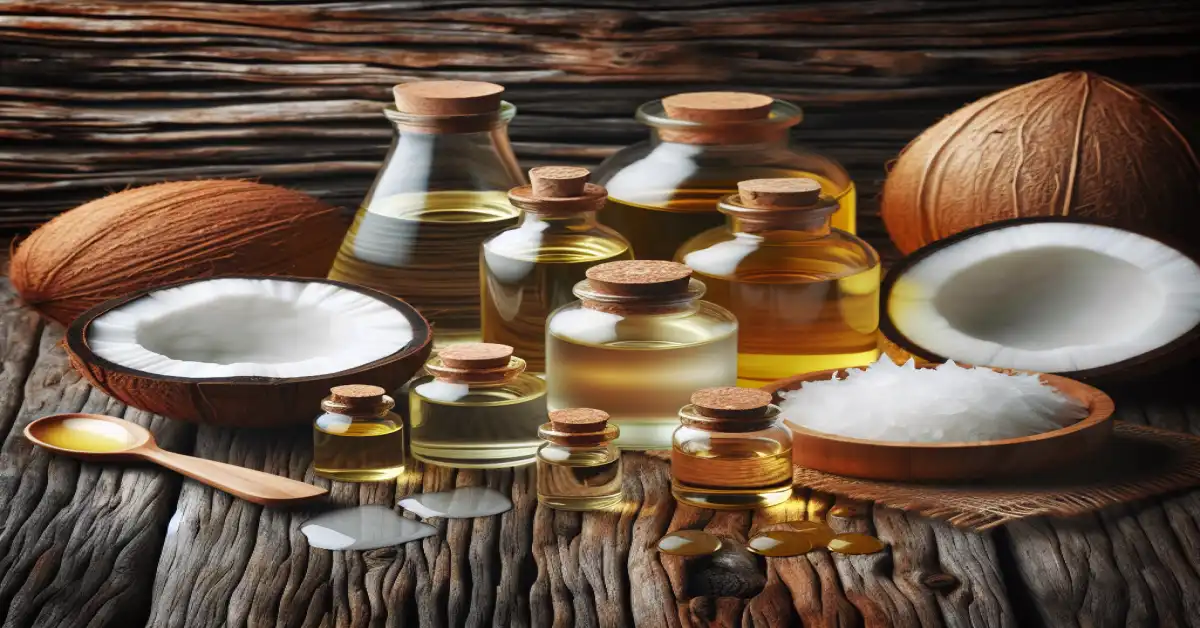
Olive oil is well known for hydrating dry skin and soothing itching. It softens flakes and eases discomfort. Simply warm a few teaspoons of extra virgin olive oil and gently massage into your scalp. Leave on for at least 30 minutes, or overnight under a shower cap.
Afterwards, wash your hair with a gentle shampoo—look for ones without sulphates at Boots or Sainsbury’s. Never overheat the oil, and always let it cool before applying. Some people find this method gives rapid, temporary relief from scalp tightness, according to trusted home remedy guides.
Aloe Vera Gel
Aloe vera has both soothing and cooling effects, ideal for irritated or inflamed scalps. Use pure aloe vera gel (available at Boots pharmacies), and gently apply to dry areas with clean fingers. Leave for 20–30 minutes, then rinse.
You can also use fresh aloe from a plant at home. Aloe is generally safe but avoid if you’ve ever had an allergic reaction. Research on natural heartburn and itchy scalp remedies notes aloe’s gentle calming effect for many people.
Cooled Green Tea Rinse
Green tea contains antioxidants and mild anti-inflammatory compounds. Brew a strong cup and allow it to cool fully. After shampooing, pour the green tea over your scalp and let it settle for a few minutes. Then rinse off with cool water.
Many users report this relieves tightness and dryness for a short period. NHS advice and dermatologist sources recommend checking for scaly or broken skin before using any home rinse.
Loose Cotton Headwear
Tight hats or scarves can worsen itching and discomfort. If possible, remove anything snug and allow your scalp to breathe. Switch to a clean, lightweight cotton headscarf or no covering at all while at home to reduce heat and friction.
This quick fix often provides instant comfort for mild scalp irritation and helps prevent excess sweat build-up. Medical experts recommend keeping headwear clean to avoid further irritation, as cited on specialist UK hair care sites.
Standing Up and Elevation
Changing position can improve blood flow and shift trapped heat, especially if you’ve been sitting or lying in one spot for a while. Try standing or raising your upper body with pillows. This sometimes eases both itchy scalp and associated tightness.
If symptoms are severe, persistent, or worsen when you lie down, check for other causes and consult your GP. This technique is considered a natural first step in relieving dry scalp and tension.
Long-Term Natural Remedies (Lifestyle Fixes)

Smaller, More Frequent Meals
Bloating and digestive issues may worsen scalp symptoms for some people. Consider eating little and often, rather than large meals, to gently support digestive health and ease scalp irritation triggers. Swap three big meals for five or six smaller ones, focusing on balanced, whole foods.
Following expert home remedy advice can help reduce flare-ups if your symptoms relate to digestion or stress.
Stop Eating 2–3 Hours Before Bed
Late-night meals may be linked with both heartburn and scalp discomfort in some people. Try not to eat after dinner—especially spicy or rich foods. The NHS suggests leaving a 2–3 hour gap between eating and sleep to support overall health.
This habit can also minimise acid reflux and reduce potential scalp itching linked to night sweats. Discover why doctors in the UK recommend regular meal timing for relief.
Increase Dietary Fibre
Eating plenty of whole grain cereals, pulses, vegetables, and fruits helps your digestion and benefits scalp health. High-fibre diets support friendly gut bacteria, which may improve scalp barrier function. Try UK favourites like porridge oats, lentil stew, berries, and wholemeal bread.
Research suggests fibre-rich diets aid inflammatory conditions, which can sometimes underlie persistent scalp symptoms. Build up fibre slowly if you’re not used to it.
Chamomile / Ginger as Daily Habits
Chamomile and ginger teas are gentle anti-inflammatories and widely used in natural heartburn remedies. Enjoy a warm cup daily, especially in the evening, to ease tension and soothe your scalp from the inside. Always choose caffeine-free blends for best results.
Some people with sensitive stomachs or allergies may need to avoid herbal teas. Studies have shown chamomile and ginger help calm stress triggers that can affect scalp discomfort.
Weight Loss (If Overweight)
Carrying extra weight can increase inflammation and worsen symptoms related to scalp dryness, acid reflux, and itching. Even modest weight loss—just 1 stone—can make a real difference for many people.
The NHS offers free weight loss resources and support. For gentle weight reduction, try walking more, smaller portions, and healthier swaps at Tesco or Sainsbury’s.
Quit Smoking
Smoking damages your skin, narrows blood vessels, and can reduce scalp hydration. Stopping improves blood flow and helps skin rebuild. If you’re finding it hard, speak to your GP or local Boots pharmacy for NHS Stop Smoking aid.
Medical experts note that quitting smoking improves outcomes for both scalp health and digestive symptoms over time.
What to Avoid (Trigger List)
Avoiding scalp and dietary triggers can stop dry, itchy flare-ups before they begin. Certain foods and habits may worsen your symptoms or prolong healing, so it pays to know what to dodge.
- High-fat foods
- Caffeine and fizzy drinks
- Chocolate
- Citrus fruits and juices
- Tomatoes and tomato-based sauces
- Onions and garlic
- Peppermint
- Alcohol
- Keep a food diary to identify your triggers
Many of these triggers are also known to worsen acid reflux, heartburn, and certain types of scalp inflammation. Diet experts recommend tracking flare-ups and reducing trigger foods where possible.
Focus on simple, natural foods and avoid harsh hair chemicals. Try to buy gentle, fragrance-free shampoos (look for Boots own-brand or children’s products).
When to See a Doctor

🚨 Emergency Symptoms
- Severe chest pain (especially with arm/jaw pain or difficulty breathing)
- Bloody or dark vomit or stools
- Loss of consciousness or severe weakness
Call 999 or go to A&E immediately if you experience these.
⚠️ Warning Signs (Non-Emergency)
- Heartburn more than twice weekly
- Over-the-counter antacids not helping after 2 weeks
- Pain or difficulty swallowing
- Unexplained weight loss
- Chronic cough or feeling of a lump in your throat
- Symptoms not improving with lifestyle changes
These symptoms matter because they may signal chronic scalp conditions, underlying infections, allergy, or even GERD—a common cause of chest and digestive discomfort. Consistent scalp issues or physical changes mean you should book a GP appointment as soon as possible. NHS guidance and medical authorities emphasise early evaluation for persistent symptoms.
If your condition worsens despite home remedies, don’t hesitate to ask for specialist help. Safe, effective medical treatments are available.
The Bottom Line
Dry, itchy scalp treatment at home can provide quick, ongoing relief for many people, especially if symptoms are mild and infrequent. Using natural remedies, gentle care, and a healthy lifestyle may reduce flares and soothe irritation.
If your discomfort is frequent or severe, or if you spot warning signs, do not delay in seeking medical advice. Persistent symptoms might point to a larger health issue that needs specialist attention.
Look after your scalp, trust your instincts, and remember: you’re not alone—safe help is always available in the UK.
FAQ
Q1: What is the fastest natural relief for Dry, itchy scalp treatment at home?
Applying warm olive oil or aloe vera can soothe itching and dryness within minutes for most people.
Q2: Is it safe to use baking soda on my scalp?
Baking soda can irritate sensitive skin. NHS and experts suggest safer alternatives like gentle shampoo or aloe vera.
Q3: How long do home remedies take to work?
Most people feel scalp relief after 15–30 minutes, though repeated use over days or weeks may be needed for lasting results.
Q4: Can you cure a dry, itchy scalp naturally long-term?
Many people manage and reduce symptoms with lifestyle changes, but some conditions need medical treatment for full relief.
Q5: How can I tell if my scalp symptoms are from GERD or heartburn?
If you also have consistent indigestion, chest burning, or reflux, see your GP to discuss possible links to digestive health.

Olivia creates clear, practical guides on home remedies and natural health. She focuses on everyday ingredients and easy-to-follow wellness tips for common issues like colds, headaches, and skin care.